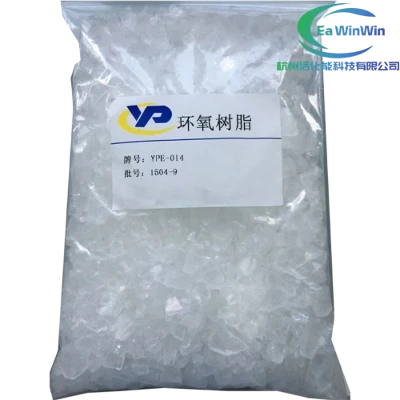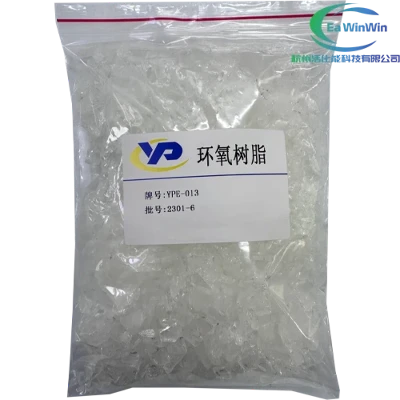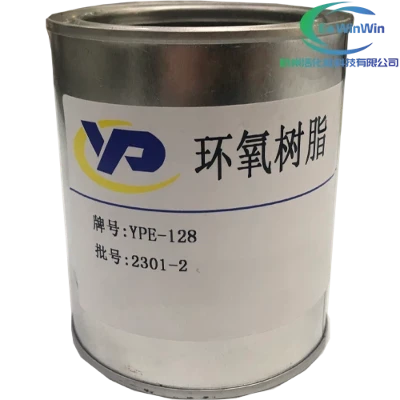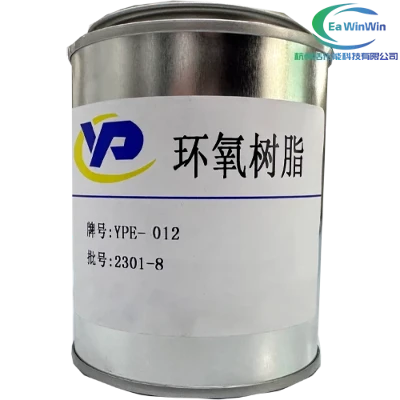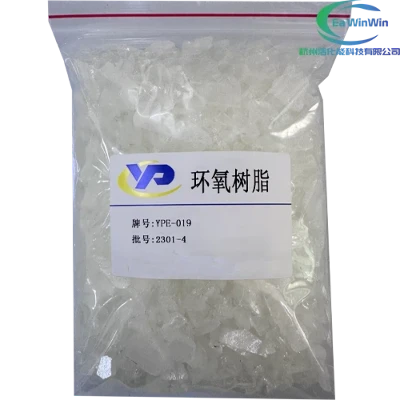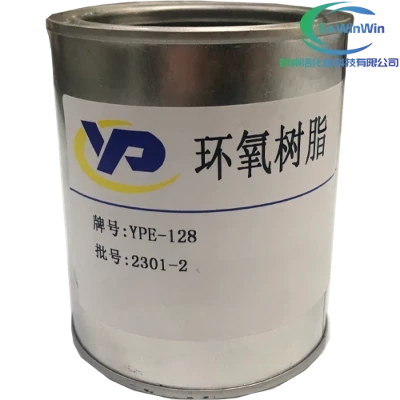
Epoxy cob rau txheej

Hangzhou Cultivation Energy Technology Co., Ltd. is the world's leading manufacturer of resin chemicals and new pesticide intermediates. Since the establishment of the first production line in 1999, it has been working in the field of resin chemicals for more than 20 years. At present, it can produce more than 5,000 tons of new pesticide intermediates every year.

The resin factory is located in Shanghai, with more than 15 acres of factory buildings and land reserves, employing more than 300 technical personnel and more than 500 employees. The DFPA factory is located in Northeast China, with 20 acres of factory buildings and land reserves, more than 200 technicians and more than 300 employees.

We have a complete quality management system and automated production equipment. The entire production process operates under the ISO9001 quality management system. And we have GB/T24001-2016//ISO14001:2015, GB/T19001-2016//ISO9001:2015, GB/T28001-2011 //OHSAS18001:2007 and GB/T23331-2012//ISO50001:2011//RB/ T 114-2014 certificates.

Our company was established in 1999 and has been working in the field of resin chemicals for more than 20 years. Currently, it can produce more than 5,000 tons of new pesticide intermediates every year; and the company has the most advanced laboratories.
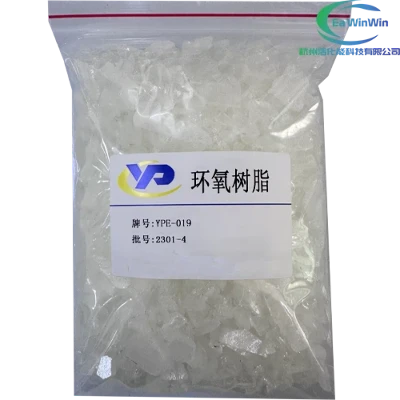


Tsev 123 Rau sab kawg 1/3


The chances of powerful chemical attacks are rare as Epoxy Resin For Coating protects flooring from seriously damaged concrete floors. If you spill anything from oil, bleach, or other powerful chemicals onto an epoxy-covered concrete floor and clean the floor within an appropriate time frame it reduce periodic maintenance.


1. Bisphenol Epoxy Resins

Bisphenol-A diglycidyl ether (DGEBA) is commonly used. It is made by the reaction of bisphenol-A in contact with epichlorohydrin in the presence of a basic catalyst. In terms of molecular weight, this epoxy resin has the lowest.
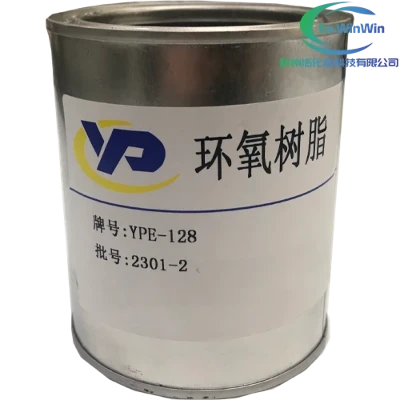
2. Aliphatic Epoxy Resins

3. Novolac Epoxy Resins

4. Halogenated Epoxy Resins

5.Epoxy Resin Diluents

6. Glycidylamine Epoxy Resins


Epoxy Wind Binder

01.Surface Preparation

02.Mix

Epoxies for coatings are typically a two-part system that requires the resin and hardener to be mixed in the correct proportions. Mixing should be done thoroughly to ensure complete reaction between resin and hardener.

03.Construction

04.Solidify

05.Grinding and Finishing


1

2

3

There are different types of epoxy resin, each with different properties. For example, there are solvent-based and water-based epoxies. Water-based epoxies are ideal for high-humidity areas because of their ability to cure in a moist environment. Solvent-based epoxies are better suited for areas that need to dry quickly.

4

5

Epoxy coatings must be durable and long-lasting. It should be resistant to chipping, cracking, and peeling. High-quality epoxy resin has excellent adhesion and is not prone to delamination.

6

7


 Avoid hitting or hitting the epoxy coated surface with sharp and heavy tools or utensils to avoid damage. Because the surface of the epoxy resin coating is very smooth and wear-resistant, if it is hit or scratched by heavy objects, it may cause surface damage or even blistering.


 Long-term exposure of epoxy resin coatings to sunlight will cause color fading and surface deformation, especially in hot climates and atmospheric compression. Special care should be taken when exposed to sunlight and high temperatures. Therefore, when installing and maintaining epoxy resin coatings, try to avoid direct sunlight and strong heat sources in the area.

Epoxy Anti Corrosive Primer


Epoxy is a popular choice for flooring applications because of its durability, resistance to abrasion, and ability to resist stains, moisture, and impact damage. Epoxy flooring is commonly used in hospitals, factories, laboratories, and other commercial buildings that require a durable and easy-to-clean surface.


productcate-1-1


A: Epoxy resin is highly durable and long-lasting, making it a popular choice for commercial and industrial applications. Second, epoxies are highly chemically resistant, making them ideal coatings for floors, walls, and other surfaces exposed to harsh chemicals and solvents. Finally, epoxy resin has excellent bonding properties, allowing it to bond securely to a variety of surfaces, including concrete, metal, and wood.

A: There are several different types of epoxy coatings on the market. Some of the most common include: Standard Epoxies: These are the most basic types of epoxies and are suitable for most general-purpose applications. UV-resistant epoxies: These types of epoxies are specifically designed to withstand exposure to sunlight and other sources of UV radiation. High-Performance Epoxies: Designed to provide superior strength, durability, and chemical resistance, these epoxies are often used in demanding industrial applications.

A: The typical curing times for epoxy resin coatings vary depending on the type of epoxy and the ambient conditions. Generally, most epoxy coatings will reach a full cure within 24-72 hours at room temperature, but some can take up to a week or longer. Factors such as humidity, temperature, and the thickness of the coating can also affect the curing time. It is important to follow the manufacturer's instructions and allow the coating to fully cure before subjecting it to any stress or use.

A: Epoxy resin coatings can last for many years, depending on the quality of the product used, the application method, and the amount of wear and tear it receives. Some epoxy coatings can last up to 20-30 years with proper maintenance and care. However, exposure to harsh environmental conditions, continuous traffic, and heavy loads can decrease the lifespan of the coating. Regular inspections, cleaning, and touch-ups can help extend the lifespan of the epoxy resin coating.

A: Sweep or mop surfaces regularly to remove any loose dirt or debris. Using a soft mop or sponge, wipe the surface with a mild soap and water solution. Be sure to rinse thoroughly to avoid leaving any residual soap residue. For tougher stains, use a non-abrasive cleaner and let it sit for a few minutes, then scrub gently with a soft-bristled brush or sponge.

A: First, clean the surface to be epoxy coated. Make sure it's free of debris, dust, or any other particles that might interfere with the resin's bonding. Second, mix the resin correctly according to the manufacturer's instructions. Make sure you measure the resin and hardener in the correct proportions. Mix well to make the mixture homogeneous. Finally, once the resin is fully cured, you can sand, polish or surface-treat the surface according to your requirements.

A: You will need epoxy resin and hardener, measuring cups and stir sticks, mixing container, painter's tape and sandpaper (150-220 grit), dust mask, gloves and goggles, plastic drop cloth or tarp, paint roller or brush, Heat gun or blowtorch (optional). Please note that the workplace is well ventilated and the temperature and humidity are controllable.

A: We recommend that you always wear protective clothing including gloves, goggles and a face shield to prevent inhalation of resin fumes. And work in a well-ventilated area, preferably outdoors or in a studio with a ventilation system. Finally, follow the manufacturer's instructions for curing time and storage after use.

A: The cost of applying epoxy resin coatings to a surface can vary greatly depending on the size of the surface, the complexity of the project, and the quality of materials used. On average, the cost can range from $3 to $10 per square foot. However, for larger projects or high-end materials, the cost can be upwards of $15 per square foot or more. It is best to get a quote from a professional contractor for an accurate estimate.

Tsev

Xov tooj

Tug

Kev nug

hnab