




Epoxy Resin rau Electronics
Hangzhou Cultivation Energy Technology Co., Ltd. is the world's leading manufacturer of resin chemicals and new pesticide intermediates. Since the establishment of the first production line in 1999, it has been working in the field of resin chemicals for more than 20 years. At present, it can produce more than 5,000 tons of new pesticide intermediates every year.
The resin factory is located in Shanghai, with more than 15 acres of factory buildings and land reserves, employing more than 300 technical personnel and more than 500 employees. The DFPA factory is located in Northeast China, with 20 acres of factory buildings and land reserves, more than 200 technicians and more than 300 employees.
We have a complete quality management system and automated production equipment. The entire production process operates under the ISO9001 quality management system. And we have GB/T24001-2016//ISO14001:2015, GB/T19001-2016//ISO9001:2015, GB/T28001-2011 //OHSAS18001:2007 and GB/T23331-2012//ISO50001:2011//RB/ T 114-2014 certificates.
Our company was established in 1999 and has been working in the field of resin chemicals for more than 20 years. Currently, it can produce more than 5,000 tons of new pesticide intermediates every year; and the company has the most advanced laboratories.
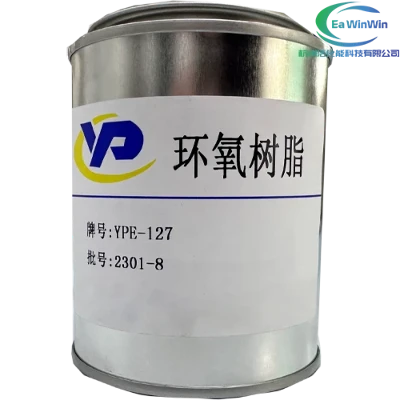
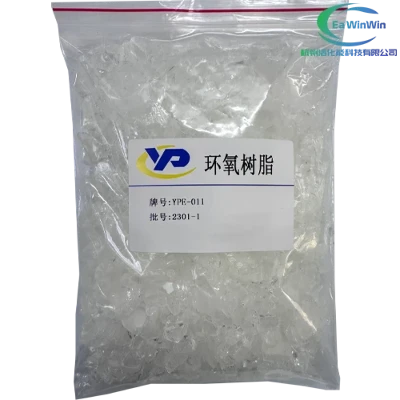

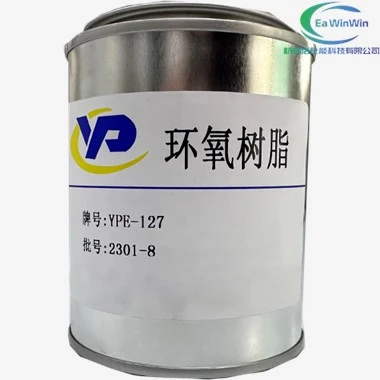
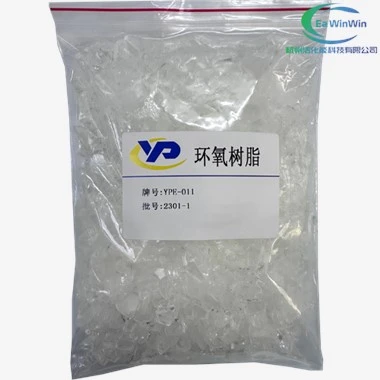
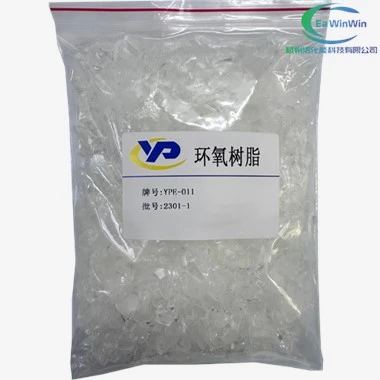
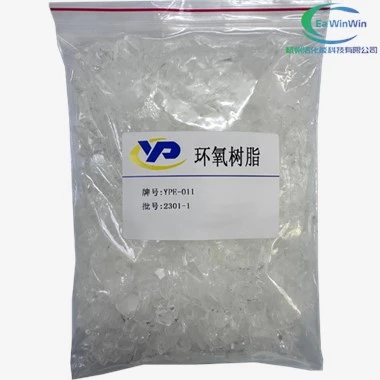
It is Weather-Resistant in Many Environments
Epoxy resin can withstand high temperatures (up to 150 degree ) without losing its structural integrity or electrical properties. This makes it an excellent material for high-temperature applications in the electronics industry.
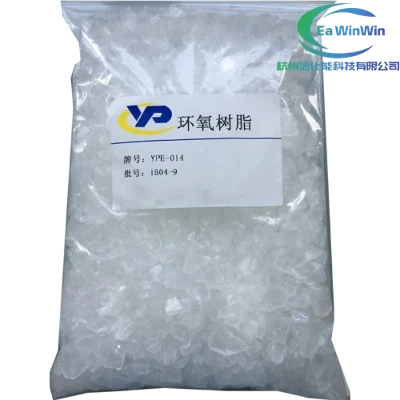
Cycloaliphatic epoxy resin is another type of epoxy resin used in electronics. This type of epoxy has high resistance to UV radiation, making it ideal for outdoor applications. It is also corrosion-resistant, which makes it suitable for use in chemically exposed environments.
Start by opening the scale and selecting the unit of measurement. Most scales are measured in grams or ounces. Make sure you choose a unit of measurement that helps you determine 0.1 ounces or grams. If the quantity is too small to accurately measure, it will be difficult to obtain a consistent mixture. The hardener will then be poured into the mixture directly from the bottle. If your scale resets due to inactivity before you had a chance to finish the mixture, you can simply measure out the hardener.
Resin and hardener dispensed in the wrong proportions are the source of most curing-related problems. To simplify dispensing and reduce the possibility of error, use an entropy pump to meter the correct ratio of resin to hardener.
The most important thing to consider when choosing a topcoat is to protect the epoxy from sunlight. Long-term UV protection depends on how well the topcoat retains the UV filter or pigment on the epoxy coating. High-gloss surfaces reflect a higher proportion of light than dull surfaces. All else being equal, white (especially glossy white) coatings will last the longest.
Epoxy resins have more industrial applications than other types of resins. The basic properties of epoxy resin formulations will vary depending on the precise chemistry and polymerization techniques used. Curing time affects your productivity and the time available for modifications. Most resins require 24 hours to cure. However, it can take up to 72 hours for the epoxy to set and form a strong bond. For applications requiring significant pressure or stress, the epoxy should always be allowed time to fully cure.
The mix ratio of epoxy resin depends on the product you are using, and each different product should have the ideal mix ratio stated on the packaging. However, the most common ratios for mixing epoxies are a 1:1 or 2:1 ratio of resin to hardener. Mixing ratios must be precise or the epoxy will not harden or perform optimally.
Recommended layer thicknesses can usually be found in the manufacturer's instructions, although a good guideline is to create layers no more than 1 to 2 centimeters thick.
Epoxy hardness is typically determined using the Shore D hardness scale. Higher values indicate a harder substance. This scale measures a material's ability to resist indentation. When fully cured, most common epoxies have a Shore D hardness value of 80-85.
Safety and handling are a key factor when considering purchasing epoxy resin. Epoxies are generally safe to use, but they can cause skin and eye irritation, and prolonged exposure can lead to allergies. When handling epoxy resin, it is crucial to take safety precautions, such as wearing protective clothing such as gloves, goggles, or a respirator. To prevent inhalation of fumes, these compounds should be used in well-ventilated areas.
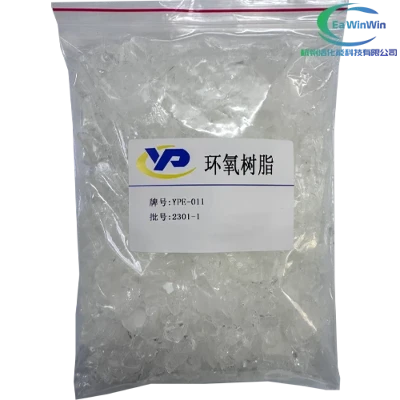
Clean the surface before sanding to prevent contaminants and ensure good adhesion. You can clean them with lacquer thinner, acetone, or other solvents and wipe them down before they dry. Then, sand the surface to a smooth, non-porous surface to remove flaking, chalking, bubbling or old coatings, and remove dust after sanding.
The key to high-strength epoxy resin mixtures and proper curing is to carefully read all product labels and technical data sheets before starting to mix. This will help determine the correct ratio based on the product you are using and your work environment.
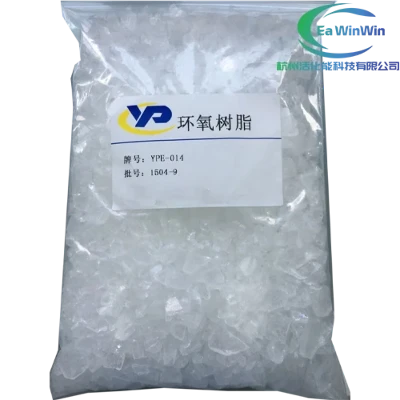
Before applying epoxy, the surface of the electronic component must be clean and free of any debris, dust or oil. This can be done using a clean, lint-free cloth and a small amount of rubbing alcohol.
Epoxy cures over time, usually within 24 hours. It is important to ensure that the components are not disturbed or moved during this time as this will affect the curing process.
